Compliance 20 October 2026 · 2 min read
The DPDP Act, 2023 for hospitals and clinics
What the DPDP Act, 2023 and DPDP Rules, 2025 mean for hospitals and clinics in India: notice, consent, security, breaches, patient rights and timelines.
 Team Paracitamol · hospital software & marketing · 14+ hospital clients
Hospitals and clinics hold some of the most personal data there is. The Digital Personal Data Protection Act, 2023 (DPDP Act) sets the rules for handling it, and the DPDP Rules, 2025 — notified in November 2025 — bring the obligations into force in phases, with most duties of data fiduciaries applying from May 2027.
This article is general information, not legal advice. Speak to your legal adviser about your hospital's specific obligations.
Your hospital is a data fiduciary
The hospital decides why and how patient data is processed, so it is the data fiduciary. A software vendor that hosts the system for you acts as a data processor under a contract with you. Responsibility to patients stays with the hospital.
Give a clear notice and take consent
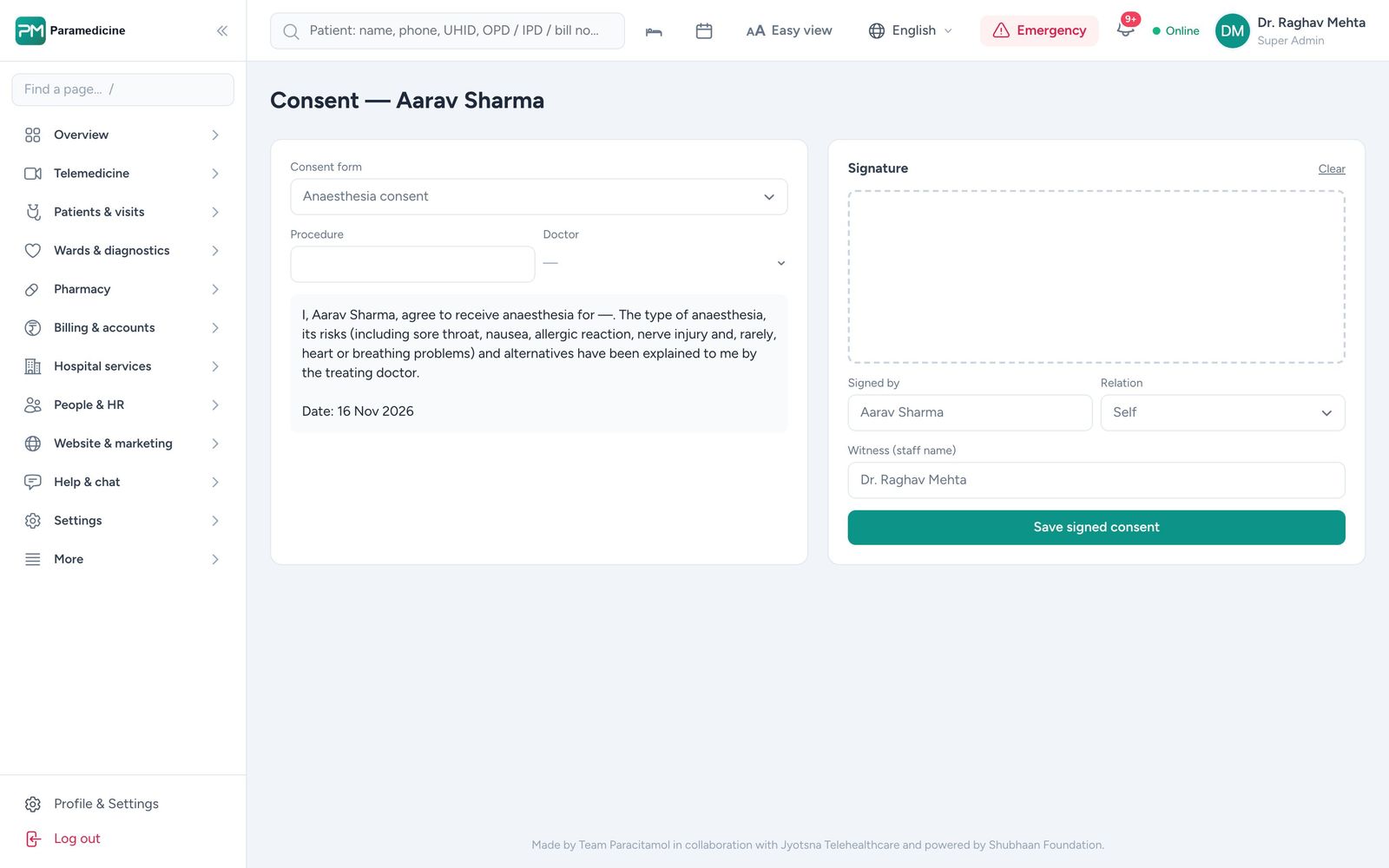
Before collecting personal data on the basis of consent, give a notice that lists the data and the specific purpose, how to withdraw consent, how to exercise rights and how to complain to the Data Protection Board of India. Consent must be free, specific, informed and unambiguous, and withdrawing it must be as easy as giving it. The Act also recognises certain legitimate uses without consent, including responding to a medical emergency.
Protect the data
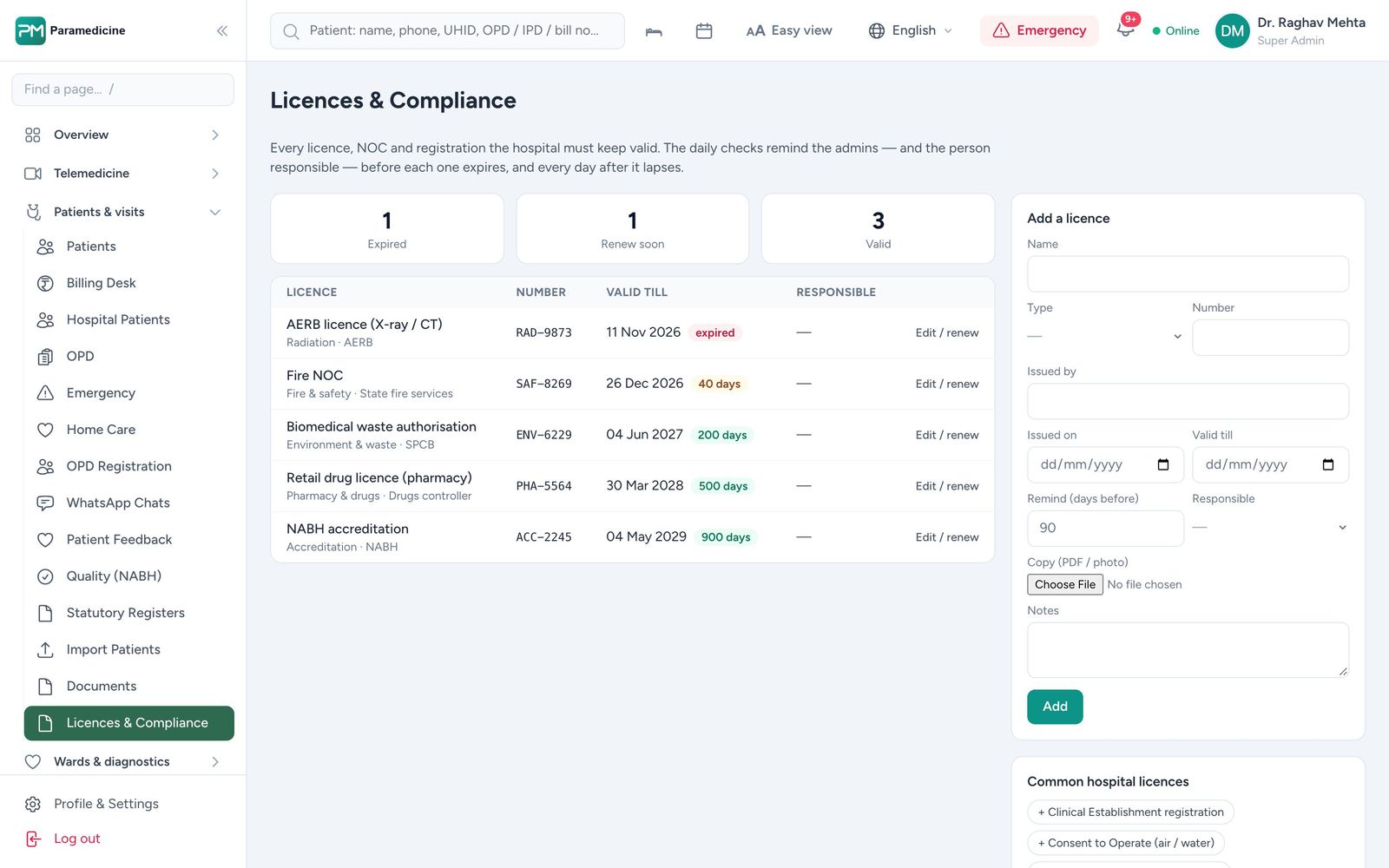
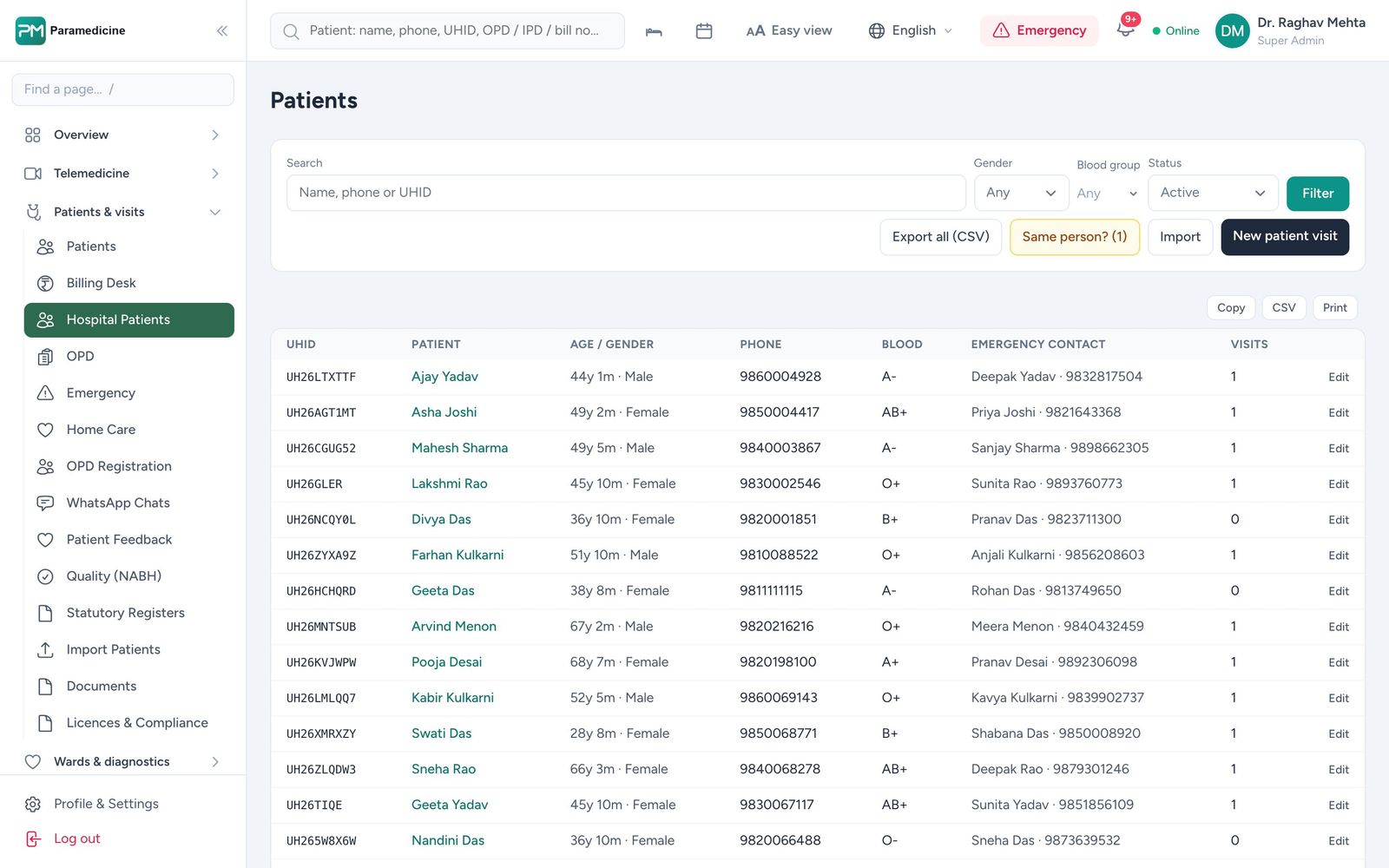
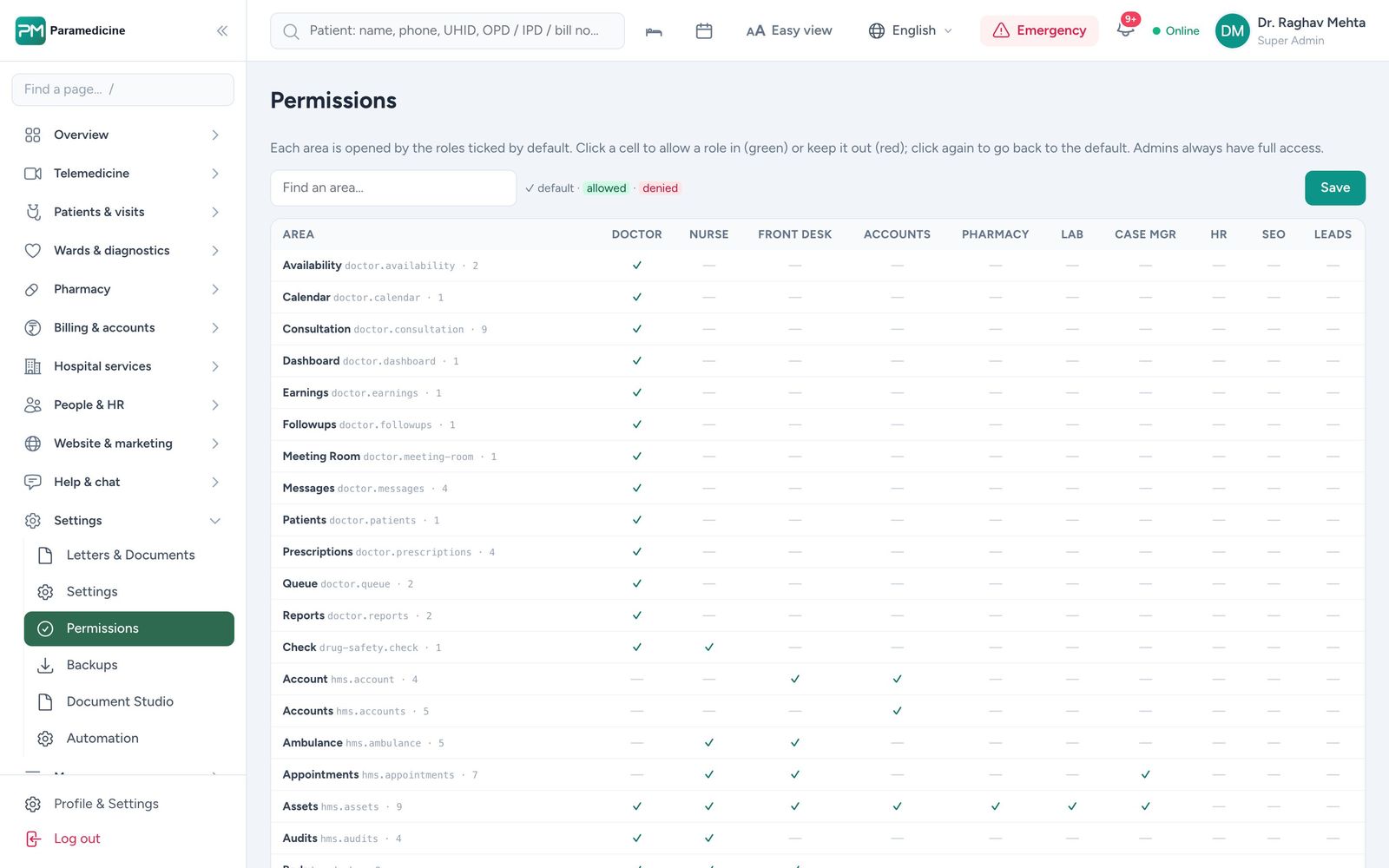
Take reasonable security safeguards: encryption, access control so staff see only what their role needs, logs of access, backups, and contracts with processors. In software terms, look for role-based permissions, an audit trail and tested backups.
Handle breaches quickly
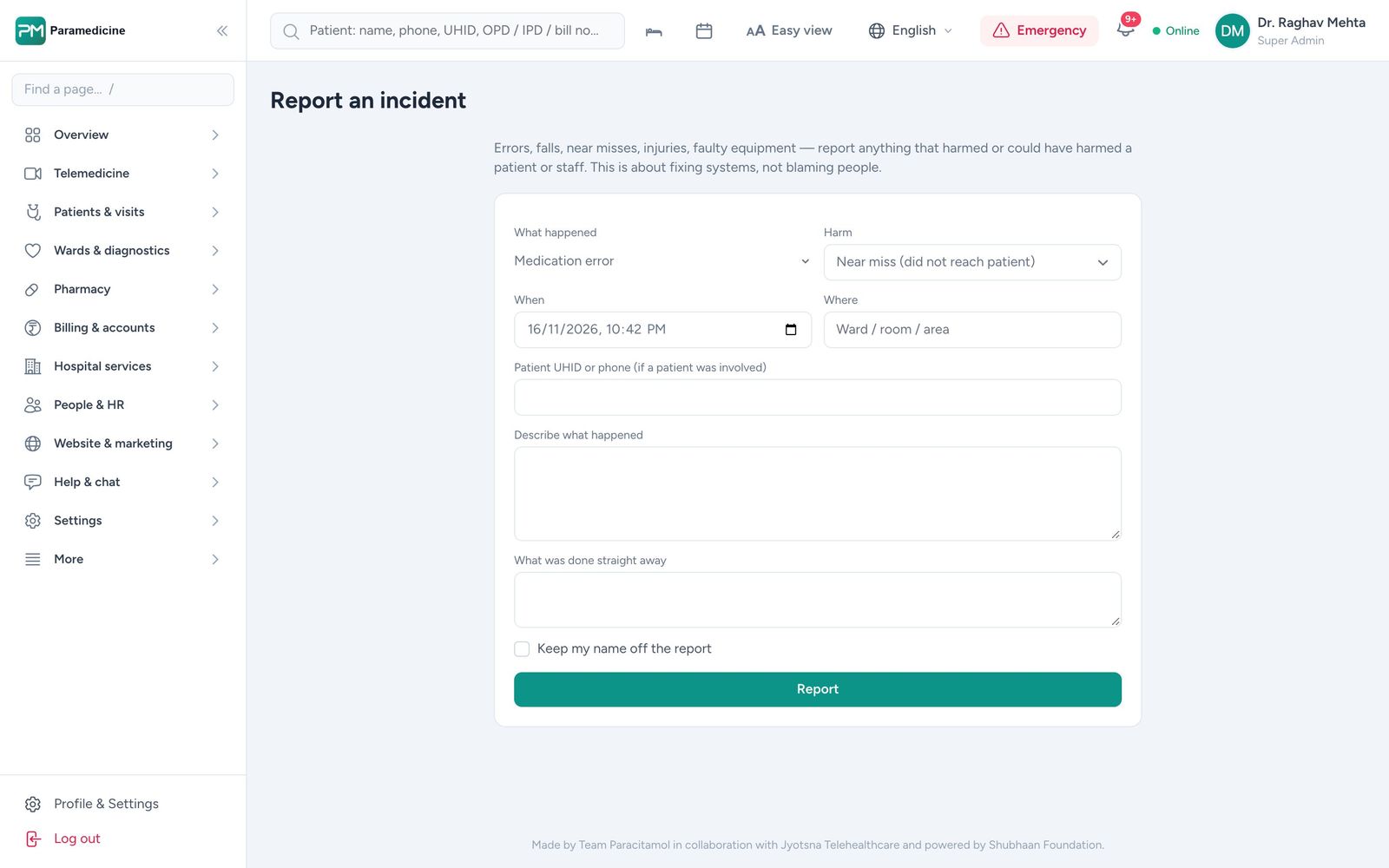
If a personal data breach happens, inform affected people and the Data Protection Board without delay, followed by a detailed report — the Rules set 72 hours for the detailed report to the Board.
Respect patients' rights
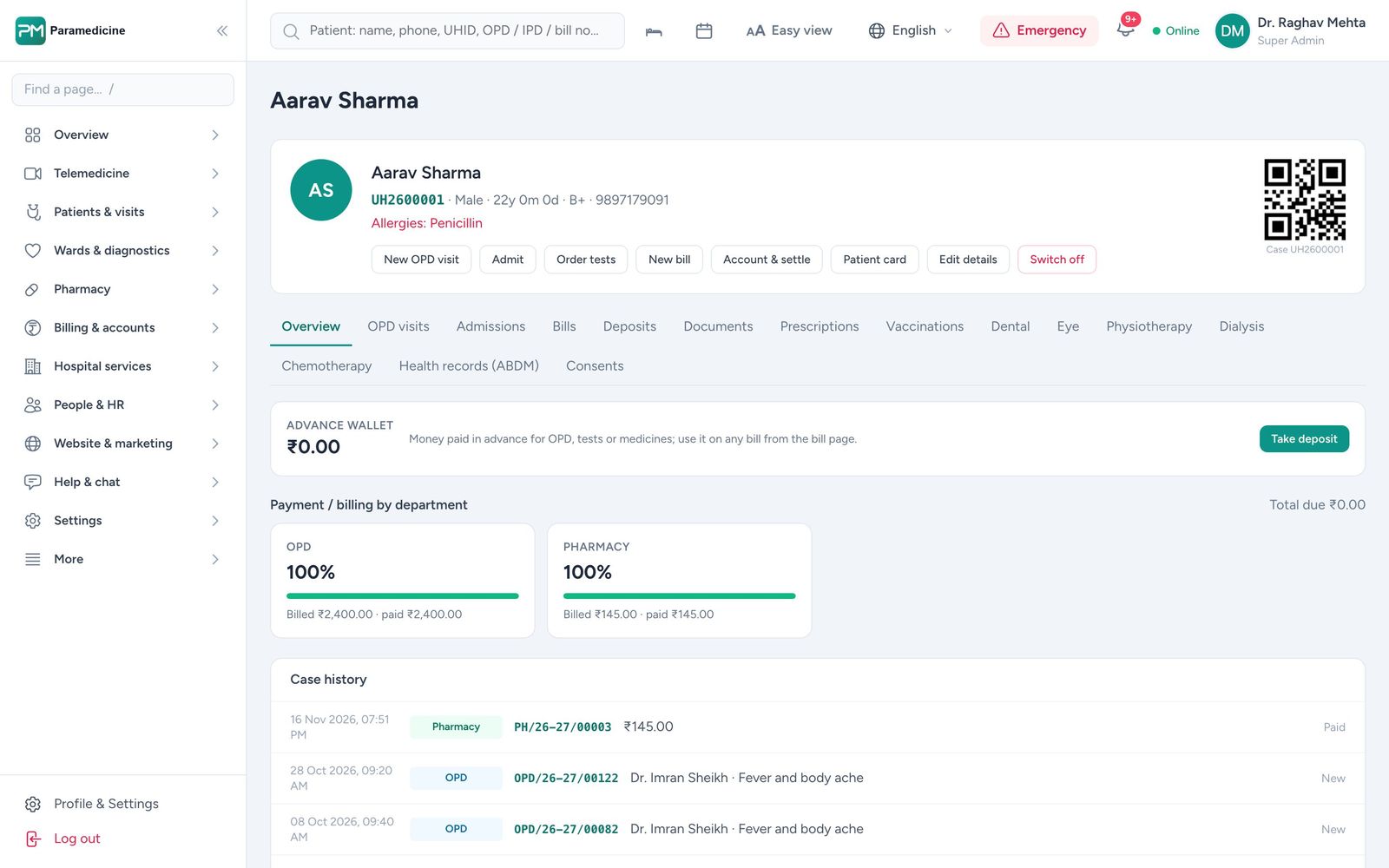
- Access a summary of their data and how it is processed
- Correction, completion, updating and erasure
- Grievance redressal within a published time
- Nominating someone to act for them
Children's data
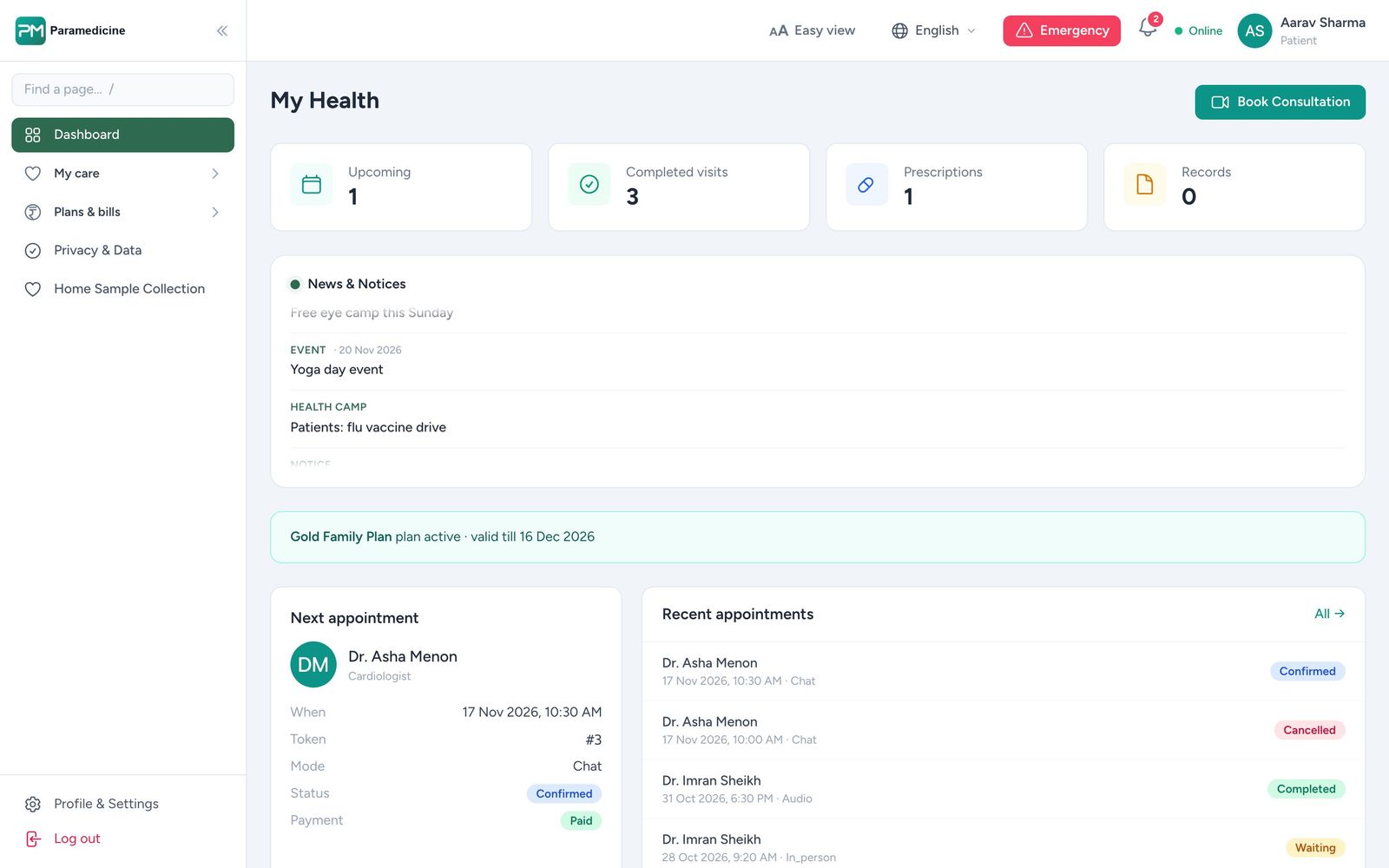
Processing a child's personal data needs verifiable consent of a parent or lawful guardian, with exemptions for clinical establishments and healthcare professionals to the extent needed to provide health services.
Penalties
The Act allows penalties of up to ₹250 crore for failing to take reasonable security safeguards and up to ₹200 crore for failing to report a breach.
A short action list
- Map what personal data you collect and why.
- Publish a clear privacy notice and grievance contact.
- Restrict access by role and keep an audit trail.
- Sign data-processing contracts with vendors.
- Write and rehearse a breach response plan.
- Train staff — most breaches start with people, not servers.
Read our own DPDP privacy notice as an example of the format.
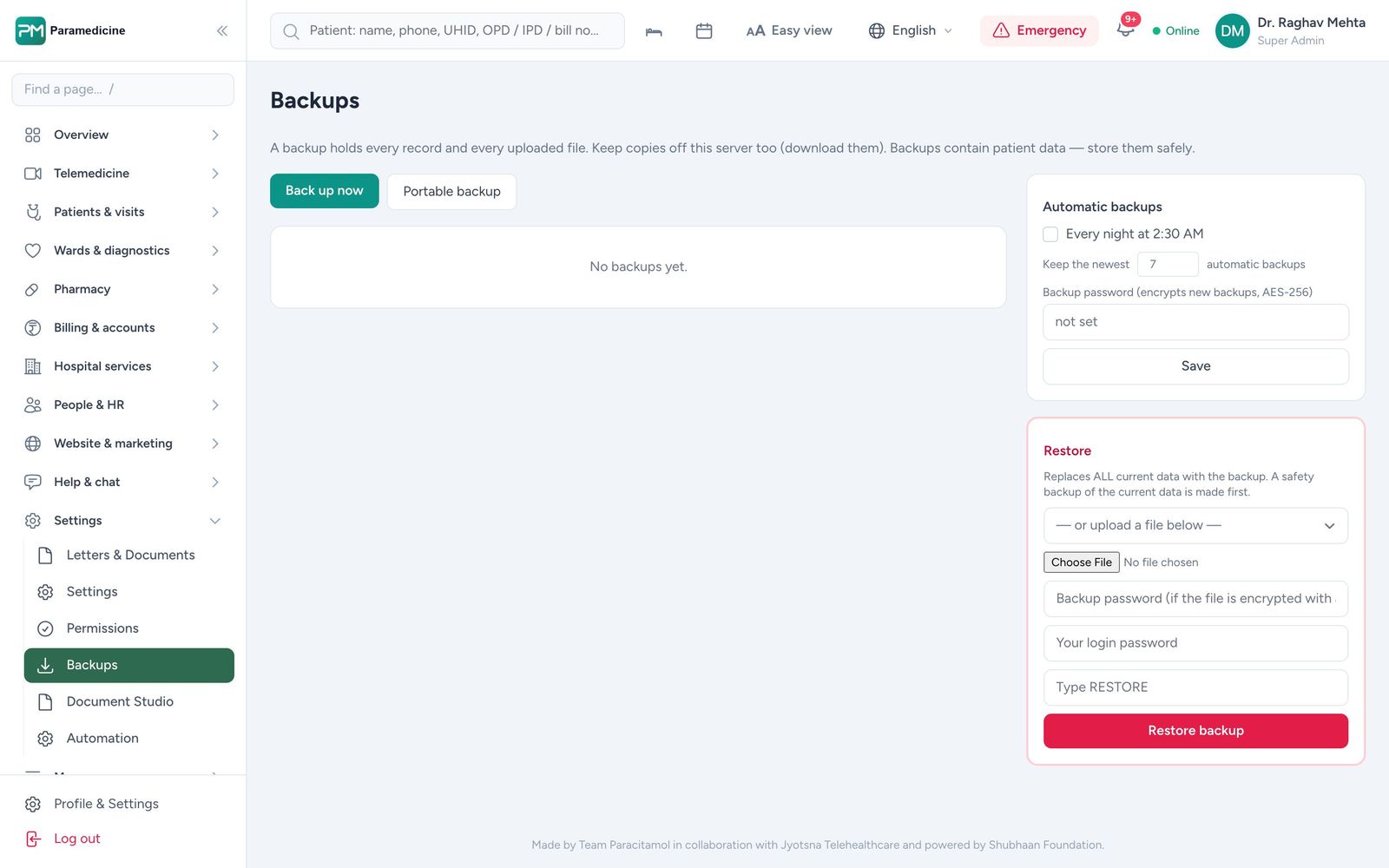
Paramedicine The product behind this article
Everything above runs on one patient record.
See the real screens, the product tour and how pricing follows the modules you switch on.